Daily Routine
Start of the Day
Children are welcomed into school from 9.00 am every day. They begin their day in their classrooms where they have a check in with a teacher and the learning and support assistant (LASA). We will introduce the day via a visual timetable and update students on any key messages.
Registration
Registration takes place between 9.00 am and 9.35 am alongside the welcome activity.
Break Time
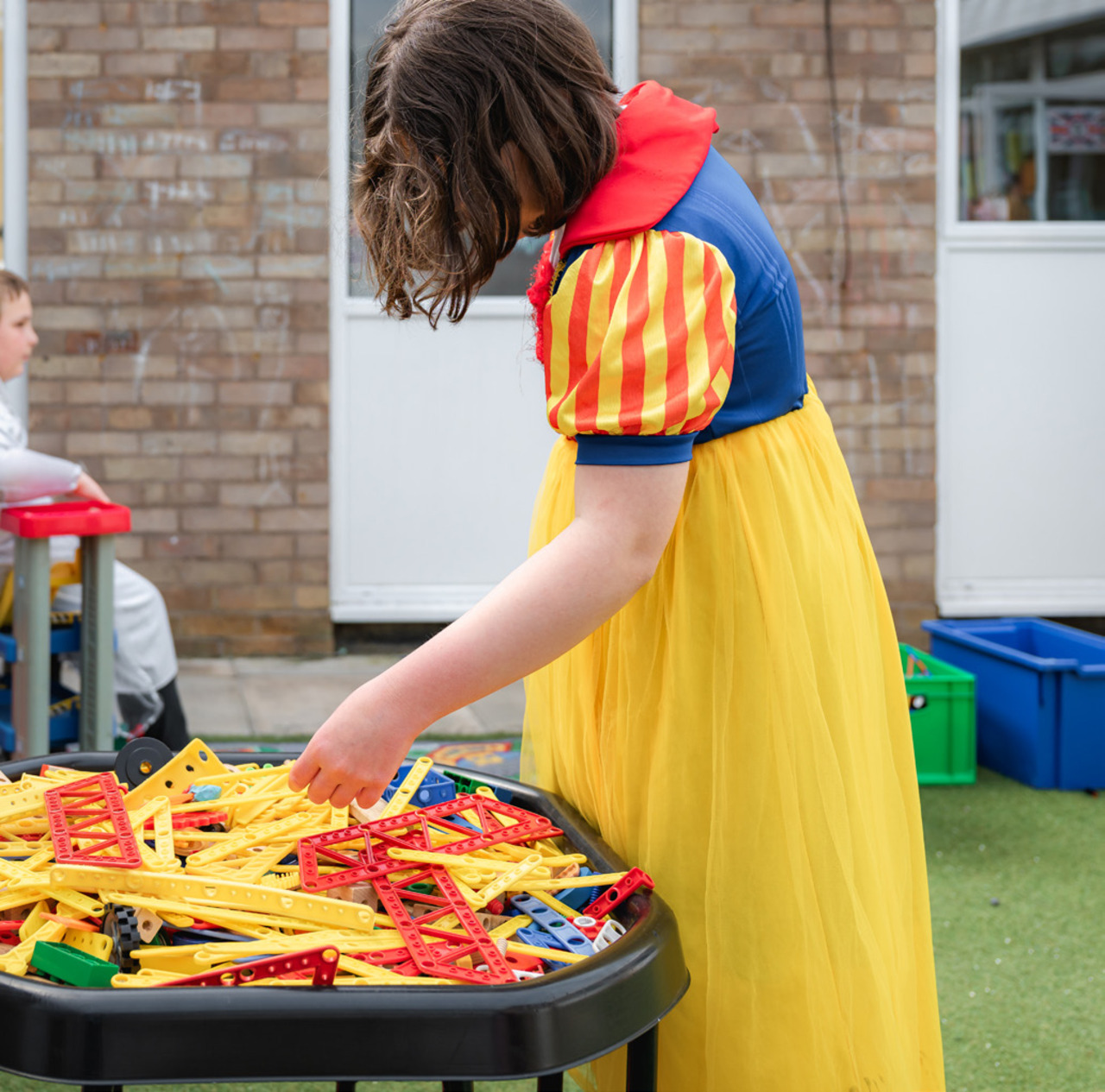
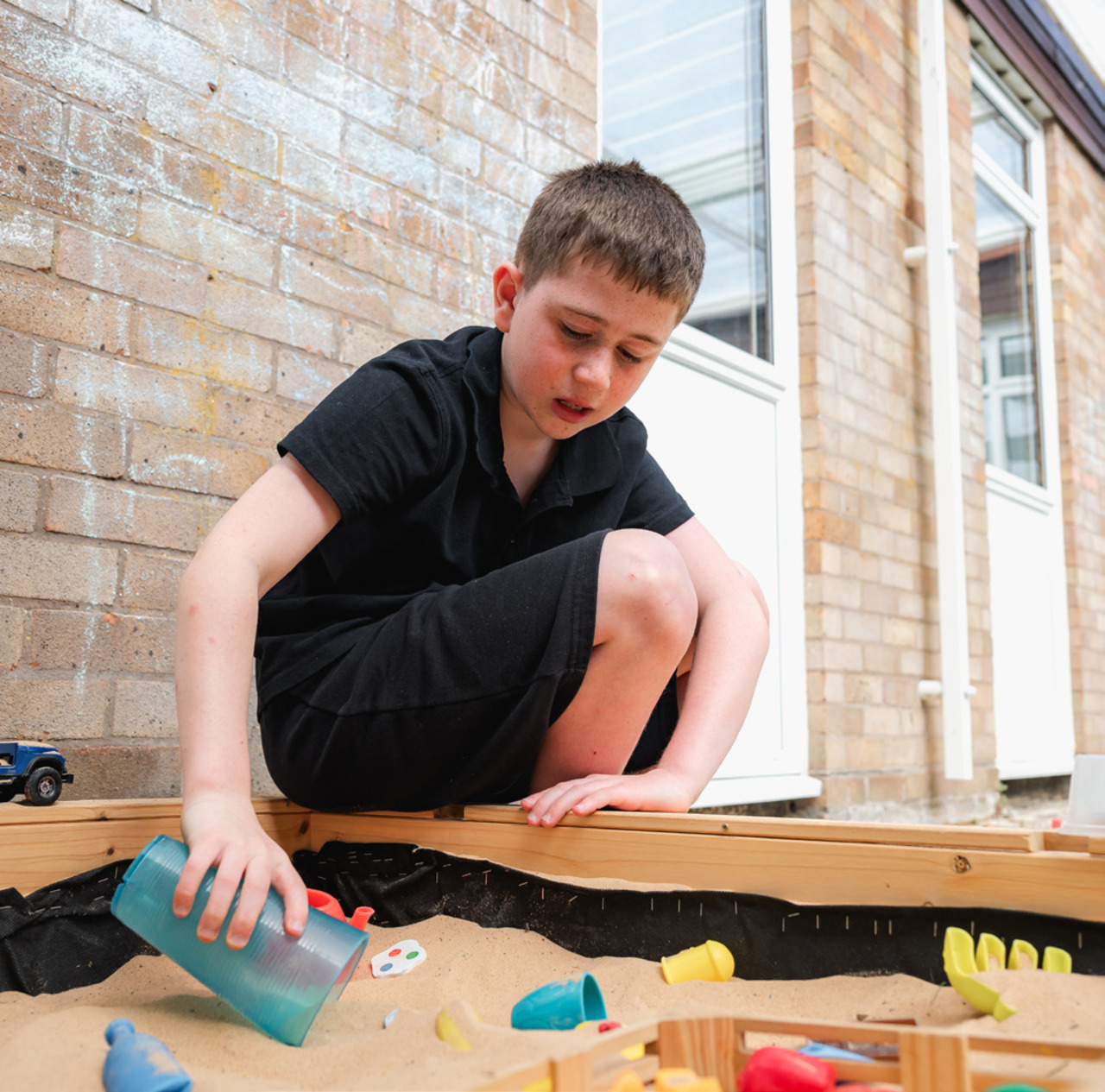
Children will have regular movement breaks throughout the day to help them stay active and focused. There will be a short breaktime scheduled into the morning where students are offered a choice from a range of fruit, breadsticks and rice cakes, followed by an outdoor playtime.
Lunch Time
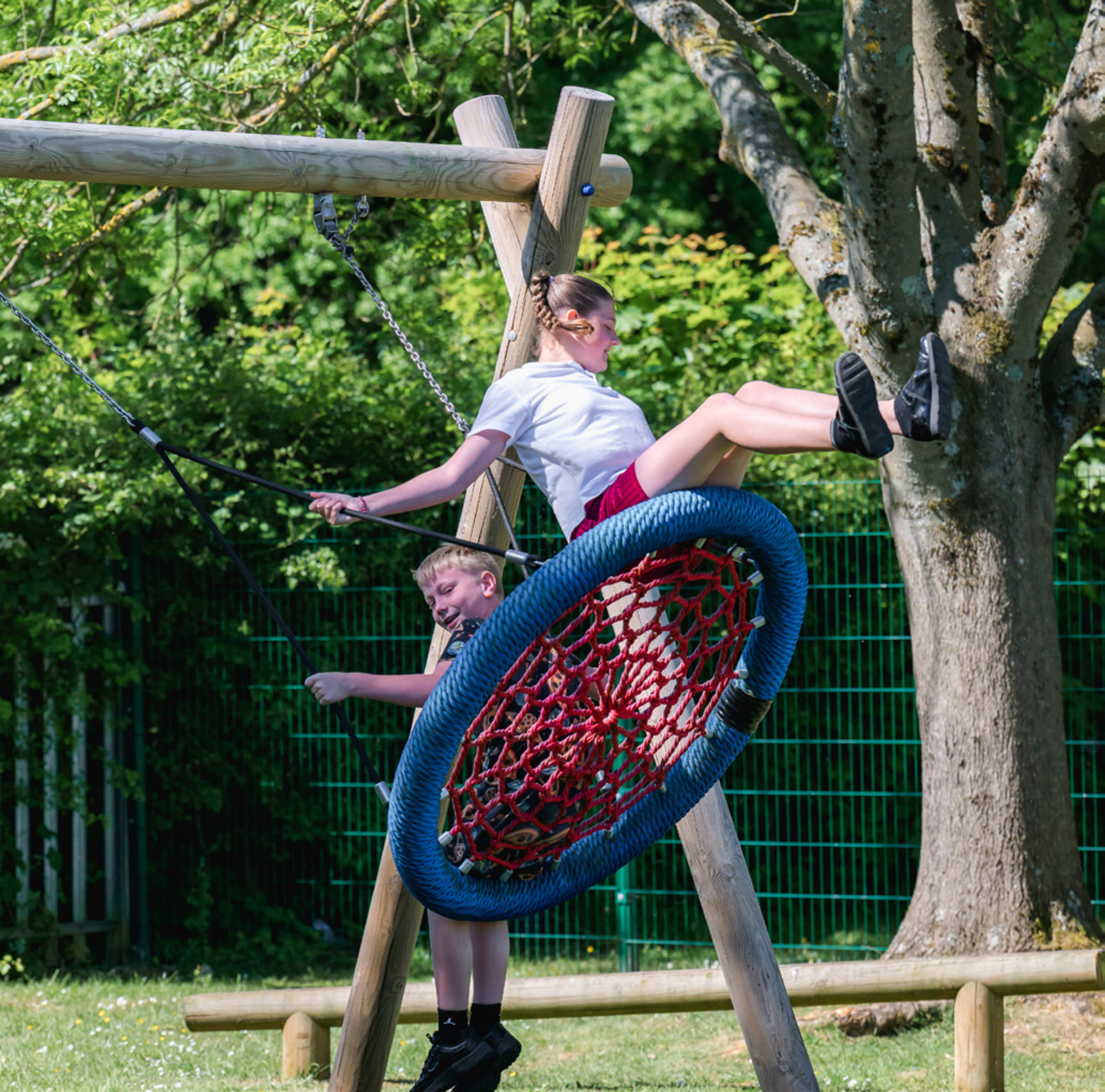
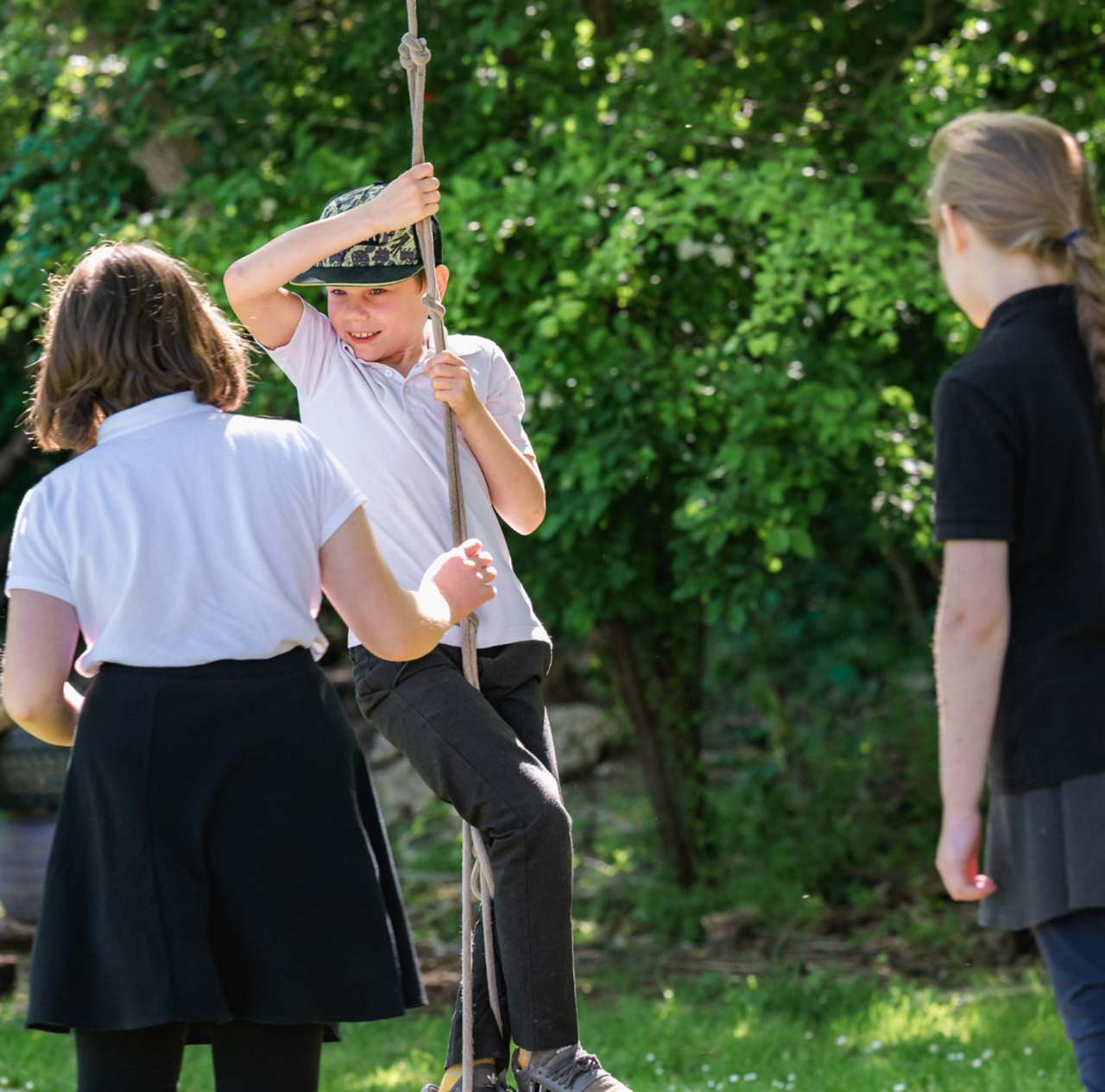
Lunch is served from 12.30 pm – 1.30 pm, allowing children plenty of time to eat and socialise. Students will have a choice of playing football on our purpose build astro, ball games on the tennis courts, access to the climbing equipment or an indoor play option if appropriate.
End of the Day
From Monday to Thursday, the school day ends at 3.20 pm. On Fridays, children will be dismissed earlier at 2.20 pm. The day finishes with a reflection activity in the classroom before dismissal from the hall. Please ensure timely collection or inform the school if there are any changes to pick-up arrangements.
Key Information
Lunches and Water Bottles
We ask for children each day to bring a water bottle of their own with fresh water inside. Children have access to their bottles throughout the day.
Each week, we will ask children to select what they would like for their lunch. Lunch choices can be accessed on the school page on Class Dojo.
PE
PE Kits should contain a white T-shirt, navy blue shorts/tracksuit bottoms and plimsoles or trainers – trainers being preferable for outdoor PE.
Swimming
As part of the PE curriculum, all classes will attend swimming lessons at Stevenage Swimming Centre for one term. You will be informed when your child’s class will be swimming.
Continuous Provision
Reading at Home
Children will be sent home with reading recommendations to support their phonics, language acquisition and reading development. While reading at home is optional, we strongly encourage you to read with your child regularly. Children will earn house points as a reward for sharing their reading at home.
Class Reading Areas
Children will have access to a well-stocked class reading area, featuring a variety of books to spark interest and promote a love of reading. The selection is refreshed each half term to link with current topics and maintain high levels of engagement.
Talk for Writing
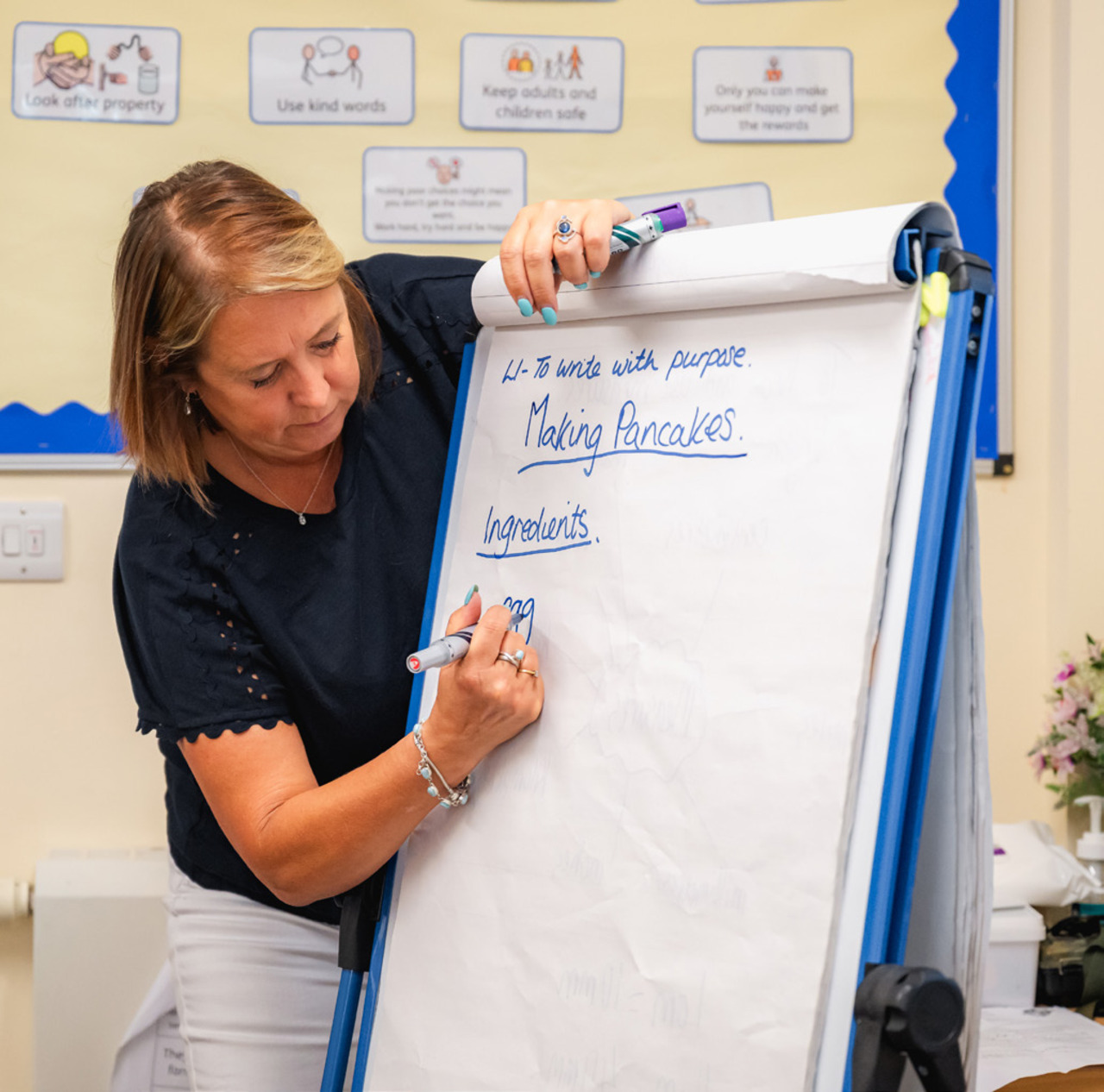
Talk for Writing is a fun, engaging approach to developing children’s writing skills that was created by author Pie Corbett. Here’s what parents should know:
What is Talk for Writing?
It’s a method that helps children become better writers by first getting comfortable with stories and text types through speaking and acting them out before writing them down.
How does it work?
The approach follows three main stages:
- Imitation – Children learn stories and non-fiction texts by heart using actions, story maps, and repeated telling. This helps them internalize language patterns and vocabulary.
- Innovation – Children adapt the original text, changing elements while keeping the basic structure. For example, they might change characters or settings in a story.
- Independent Application – Children use what they’ve learned to create their own original pieces of writing.
Benefits for your child:
- Builds confidence through oral storytelling before writing.
- Develops vocabulary and language patterns naturally.
- Makes writing more enjoyable through physical actions and speaking.
- Creates a toolkit of writing techniques they can use independently.
- Improves memory and speaking skills alongside writing.
Talk for Writing makes the writing process more accessible and enjoyable, helping children become confident, creative writers who understand how different types of texts work.
Subject Areas
Maths
We follow the White Rose Maths scheme, which breaks concepts into small, manageable steps supported by visual aids. Children are encouraged to challenge themselves and take on the role of the teacher – especially when we ask, “Is Tiny the Turtle correct?” We also enjoy Times Table Rockstars competitions to boost multiplication fluency in a fun and motivating way.Science
We aim to inspire curiosity and wonder through practical, hands-on science lessons that encourage children to question, investigate, and make sense of the world around them. Our approach is rooted in exploration and discovery, allowing pupils to develop scientific thinking as well as essential skills such as predicting, observing, recording, and evaluating.Knowledge of the World
We believe in nurturing respect, empathy, and understanding of different beliefs, cultures, and traditions, helping children to develop a sense of identity and belonging within a diverse world. Our lessons provide opportunities for children to explore important values and practices from a range of world faiths and philosophies, encouraging them to ask questions, share ideas, and celebrate similarities and differences. Each half term, we focus on a different world belief, exploring it through creative and practical experiences such as art, design, cooking, storytelling, drama, and performance. This cross-curricular approach makes learning meaningful and memorable, allowing children to engage with ideas in a hands-on and enjoyable way.French
Children will learn French through a creative and multi-sensory approach that includes images, songs, art and games, making language learning fun and memorable.History
We bring the past to life through drama, art, storytelling, and hands-on experiences that spark curiosity and imagination. History lessons provide children with opportunities to explore the lives of people in different times, helping them to make connections between the past and the present. By investigating artefacts, asking questions, and re-enacting key events, children develop historical enquiry skills and a deeper understanding of how societies have changed over time. Through creative projects, role play, and exploration of evidence, children will consider how these changes shaped the world we know today.Geography
In Geography, we become explorers of our world. Our lessons inspire children to be curious about the places, people, and environments around them, developing a sense of wonder and responsibility for the planet we share. Through practical activities, fieldwork, and mapwork, pupils learn how to observe, ask questions, and make connections between human and physical geography. By approaching geography as adventurers and problem-solvers, we aim to give children the skills and knowledge to navigate their world with confidence, curiosity, and care for the environment.Computing
Across the year we blend online safety and creative computing as part of our computing curriculum. Using Purple Mash, children will begin to develop their digital skills in a fun and engaging way, learning how to use technology safely, respectfully, and creatively. They will explore simple tools to create, present, and share their ideas while also building confidence in navigating the online world responsibly.Music, Art, and Design Technology
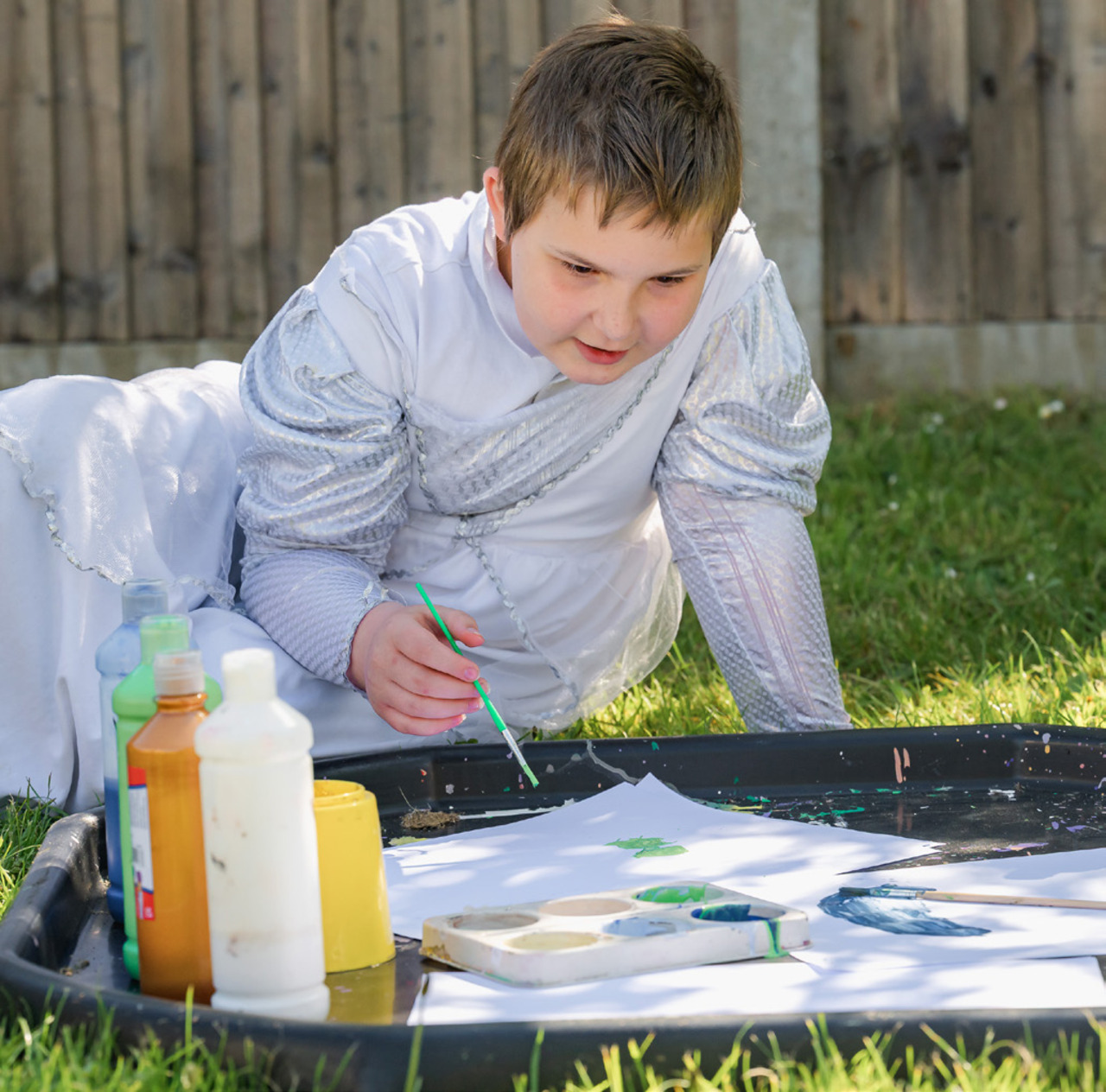
Our creative subjects provide opportunities for students The children will learn about a variety of artists who use natural materials in their work and will have the opportunity to explore topics from a cross-curricular.We are looking forward to welcoming students into Mr Rooke’s class this year, with a view to developing engagement in learning, a positive attitude to learning and personal development that sees them make progress towards meeting and exceeding their targets.

Mr Rooke
Teacher

Miss Smith
Learning and Support Assistant

Mr C Towner
Space Hub Learning & Support Assistant